

Ionic Colloidal Silver
With a high content of silver ions – the relevant component of silver solutions


 No chemical additives
- Always fresh and ready to use immediately
- Size ideal for intensive use
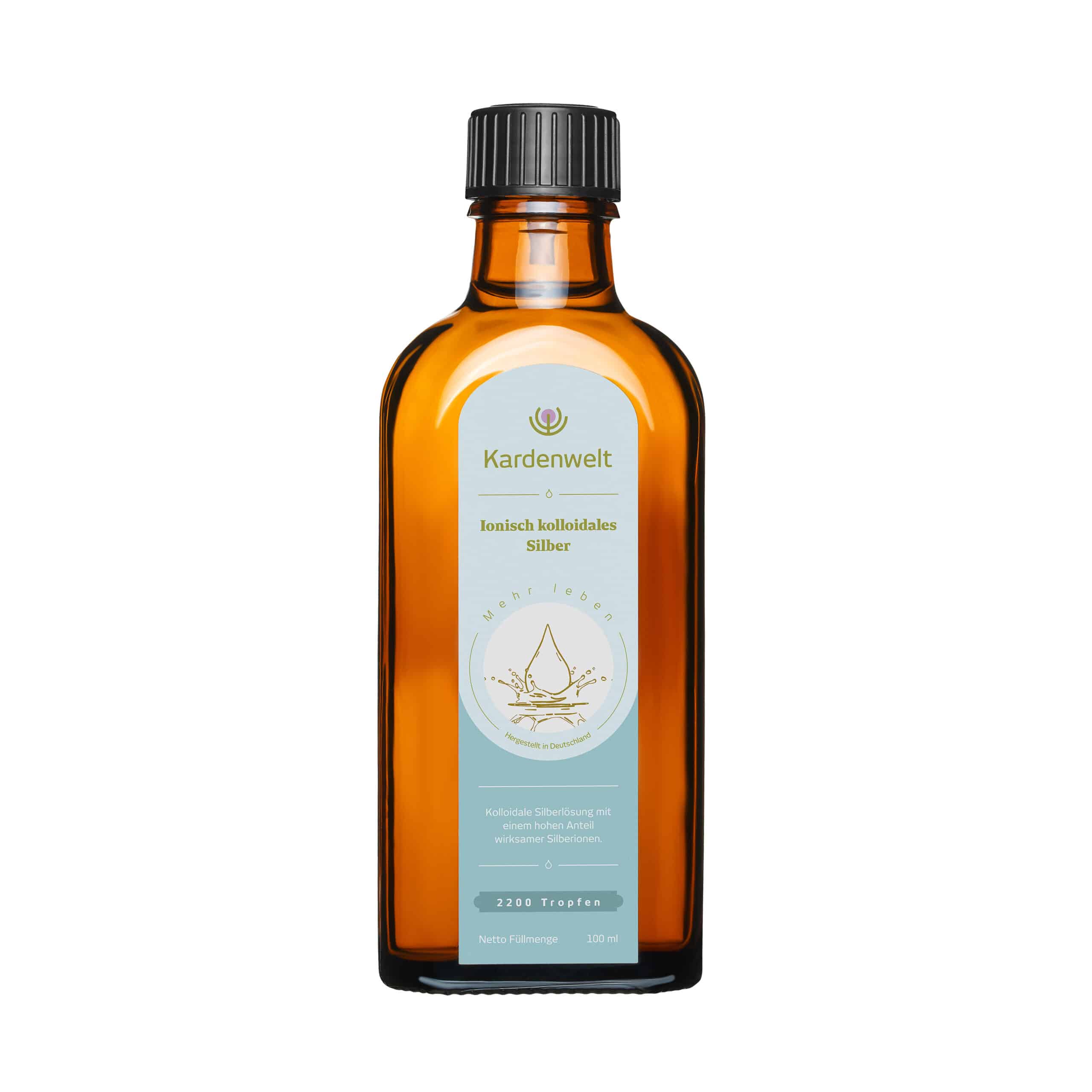

- high content of silver ions
- Size ideal for testing
- Fresh and ready to use immediately

- Geeignet für Ionic-Pulser®
- Geeignet für Turbo-Wasser®
- Das Original von Medionic®

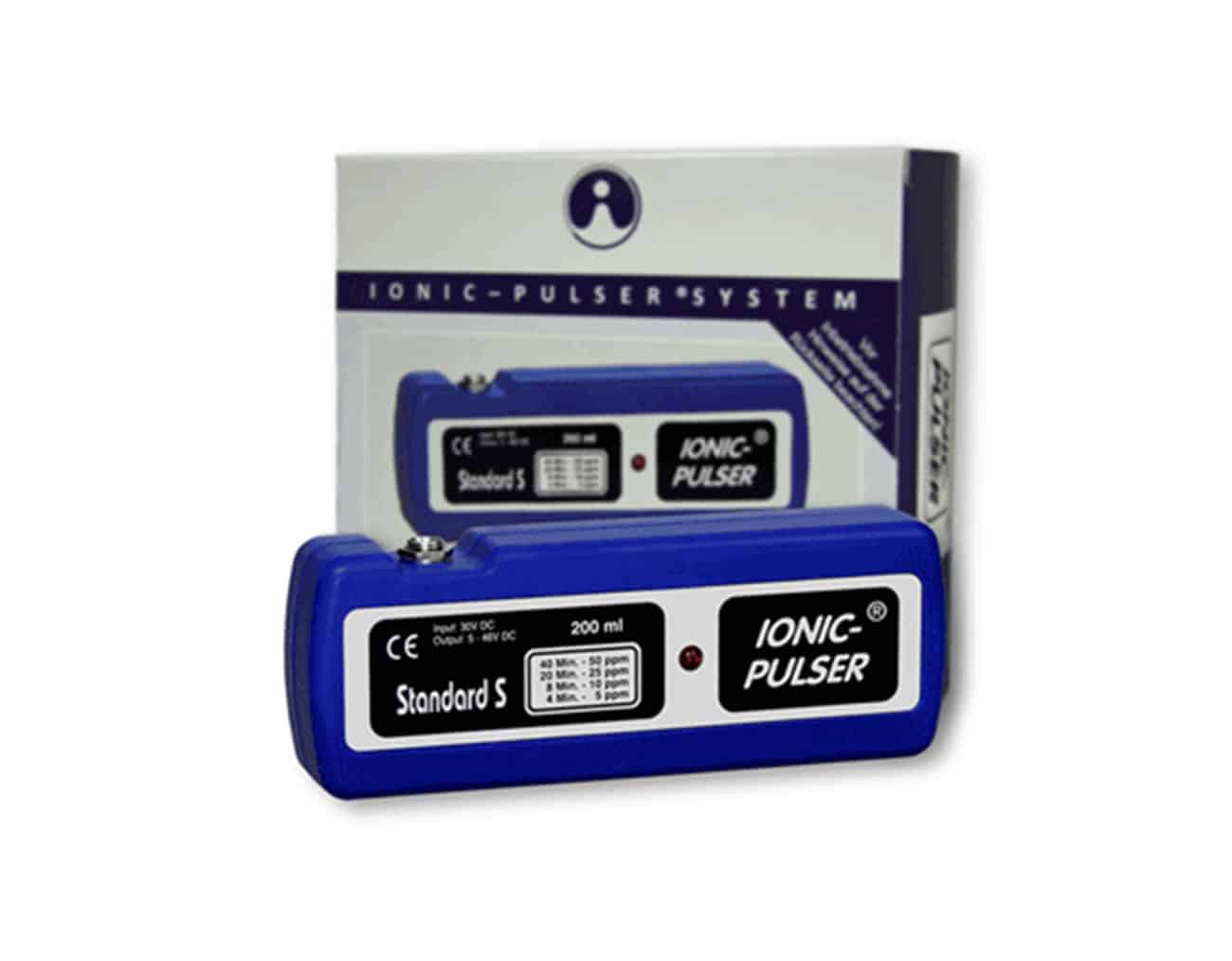
- Inklusive 1 Paar Elektroden
- Silbergenerator für alle Stärken
- Robust und einfach
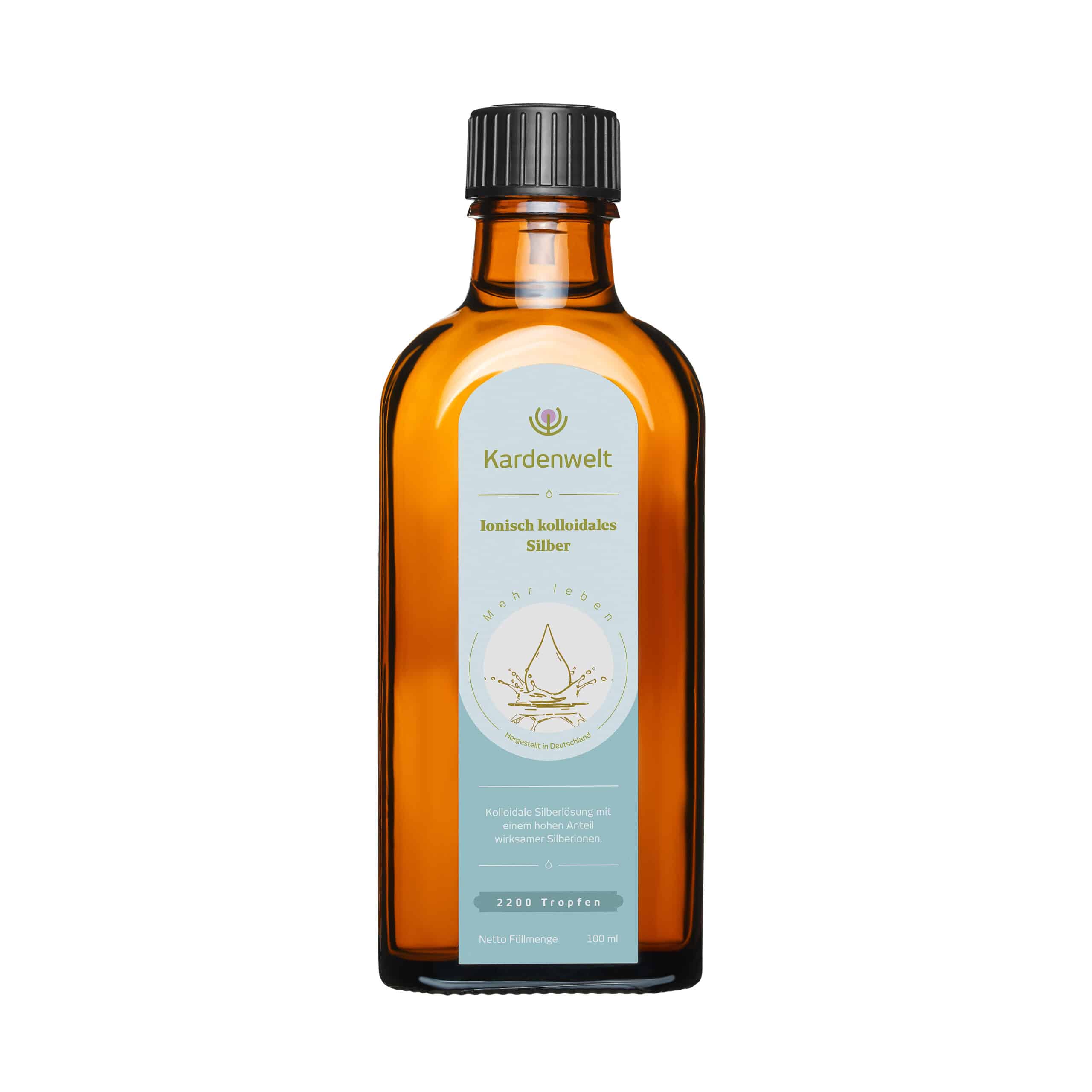

- hoher Gehalt an Silberionen
- Größe ideal zum Testen
- Frisch und sofort verwendbar


- Keine chemischen Zusätze
- Immer frisch und sofort verwendbar
- Größe ideal für intensive Anwendung

Plastikfreie Verpackung

Produktion im Allgäu

Persönliche Fachberatung

Why is a high proportion of silver ions important for a silver solution?
The short answer: Because the silver ions in the solution are what works. Want to dive a little deeper? Here you go:
- Silver has been used in the past, for example, for disinfecting.
- Silver ions are contained in every electrolytically produced silver solution. This is because the positively charged ions mainly form when silver is split in liquid – using electric current. Hence the term "ionic" in the name.
- If you simply stir silver powder into water, electrolysis is missing. Experiments have shown that this produces too few silver ions. Still, colloidal silver – the term for the silver particles – is an important component of the solution.
- Colloidal silver in a solution ensures that more silver ions are released. It therefore increases the proportion of silver ions.
- By the way, the term "ionic-colloidal silver" was coined in the late 1990s by Wolfgang Jenkner, the developer of the Ionic-Pulser®.

Current research focuses on the effects of silver ions
The knowledge about colloidal silver and its applications for humans and animals already fills many books. Of course, we also have the most important works on this topic in our range.
Would you like a small excerpt?
“Today it is assumed that it is rather the silver ions that (…) exert effects and not silver atoms, because metallic silver is not very reactive. However, this does not contradict the use of colloidal silver. It contains mainly silver ions alongside elemental silver particles. And from metallic silver, that is also from the colloidal particles, silver ions are constantly released in a liquid environment, which can exert their (…) effects.”
(Dr. Josef Pies, scientist and author)
If you are now curious, we have a tip for you: You can find more books on this topic in the Literature section.
