

Lyme disease
Recognize Lyme disease and provide sustainable treatment even after years
Reasons for the failure of antibiotics, common diagnostic errors, treatment options, and a structured approach to finding solutions. Even after many years. Based on personal experiences.
Author: Jan Schöfer, operator of kardenwelt.de, personally affected by Lyme disease.
In the eyes of many people – including still some doctors – Lyme disease is a simple infectious disease that is treated with antibiotics. There is no such thing as "chronic Lyme disease." It cannot come back. That sounds too simple and too good to be true – and it is often wrong. Every Lyme disease patient knows that reality can be much more complex and, above all, more difficult.
First, some important facts that are often misunderstood:
- Lyme disease cannot be reliably ruled out by antibody tests. It is better to perform the LTT.
- A typical redness after a tick bite means: Lyme disease. No redness does NOT mean that Lyme disease is not present.
- Lyme disease can remain in the body and can return even after successful therapy. A test to check if the therapy was successful is important.
- Any unexplained symptoms – whether typical or not – justify a blood test.
- Antibiotics work. They should be given continuously for at least three weeks.
- Lyme disease rarely occurs alone.
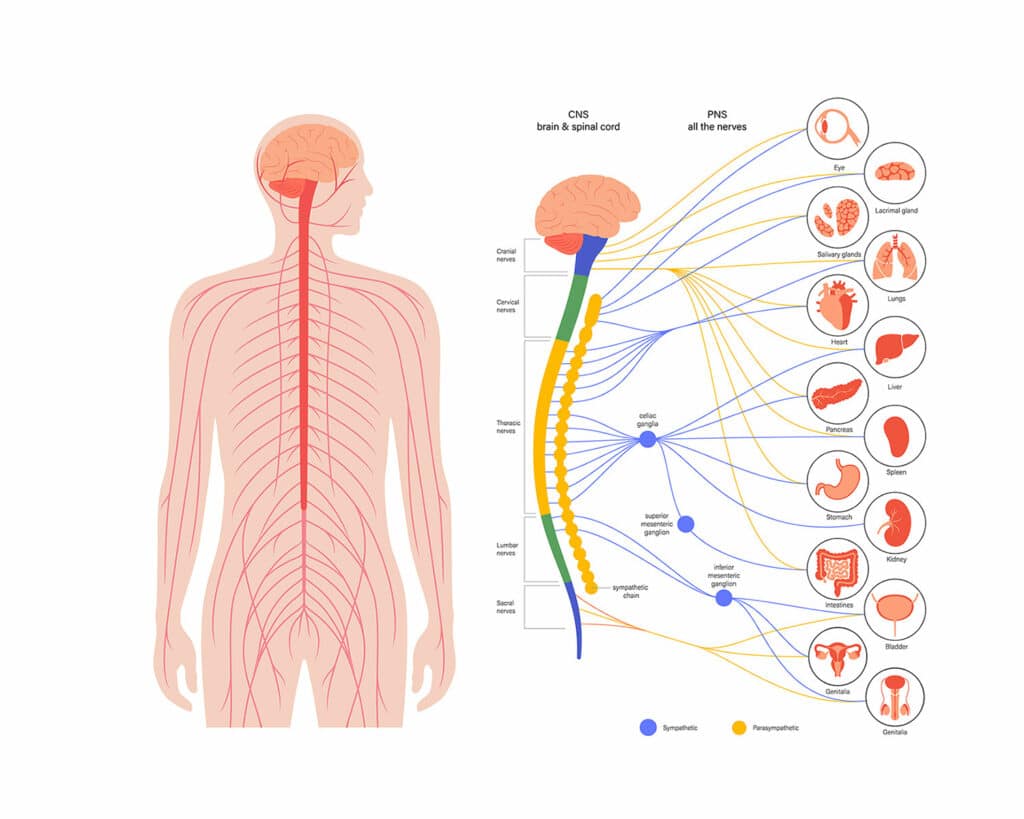
Lyme disease is a systemic infectious disease that can affect all organs, the brain, and also the nervous system. The pathogens have methods to hide from the immune system and also retreat to places in the body that antibiotics cannot reach.
Similar to herpes viruses, Borrelia can also be reactivated after successful therapy. They rarely show the same clinical picture in different people.
These characteristics not only complicate diagnosis, but also prevent the lasting success of targeted therapy approaches. The classical recommendation of conventional medicine is three weeks of antibiotics. So far, so reasonable. However, if this approach does not work, three weeks can quickly turn into three years.
Besides the fact that Borrelia can become resistant to even modern antibiotics after a relatively short time, the side effect is damage to the gut flora and thus weakening of the immune system. Antibiotics do not distinguish whether a bacterium is beneficial or harmful.
Usually, months- or years-long therapies arise out of desperation. However, they have little chance of success. If an antibiotic treatment of sufficient duration and with the appropriate medication does not lead to a cure, the doctor must ask why this is the case.
Basically, antibiotics are not wrong. We do not advise against them – they just need to be properly administered.
Lyme disease rarely comes alone
Lyme disease significantly burdens the immune system. This reduces its performance. Consequences: Possible reasons for the lack of success in antibiotic therapies include immune deficiencies (hyperactivity / hypoactivity), but more often also hitchhikers. The latter are also called "co-infections", infections that take advantage of the weakened immune system and are active – simply because they can.
List of the most common co-infections
- Epstein-Barr virus
- Herpes zoster
- Herpes simplex I + II
- Chlamydia pneumoniae
- Babesia
- Helicobacter pylori
- Toxoplasmosis
- Human papillomaviruses
If Lyme disease is finally diagnosed after years, the diagnosis is usually at least incomplete. The patient and doctor may get the impression that the antibiotic is not working because the symptoms persist during treatment. However, antibiotics only work against bacteria. If several co-infections are active at the same time, the success against Borrelia is often only moderate.
It may also happen that after about one to two weeks of therapy, certain symptoms become stronger.
The reason is logical: if the immune system is relieved of the burden caused by Borrelia, it can and will focus more strongly on other pathogens. The battle between pathogen and immune system is felt by the patient in the form of symptoms. Such a reaction is therefore not necessarily bad – although as unexpected as it is unpleasant.
Often, the so-called Herxheimer reaction (reaction to disintegrating pathogens) is diagnosed as being overwhelmed by the situation. This reaction does indeed exist. It occurs in the first few days, but not after several weeks of antibiotics.
Another common diagnosis is antibiotic intolerance. In the worst case, it leads to discontinuation of successful treatment.
The actual cause – the co-infections – is too often overlooked.
CONCLUSION: Persistent borreliosis with possible co-infections must therefore be treated holistically, taking into account all immune aspects, possible co-infections, the patient's life situation, and, if necessary, the body's toxic burden (e.g., from amalgam).
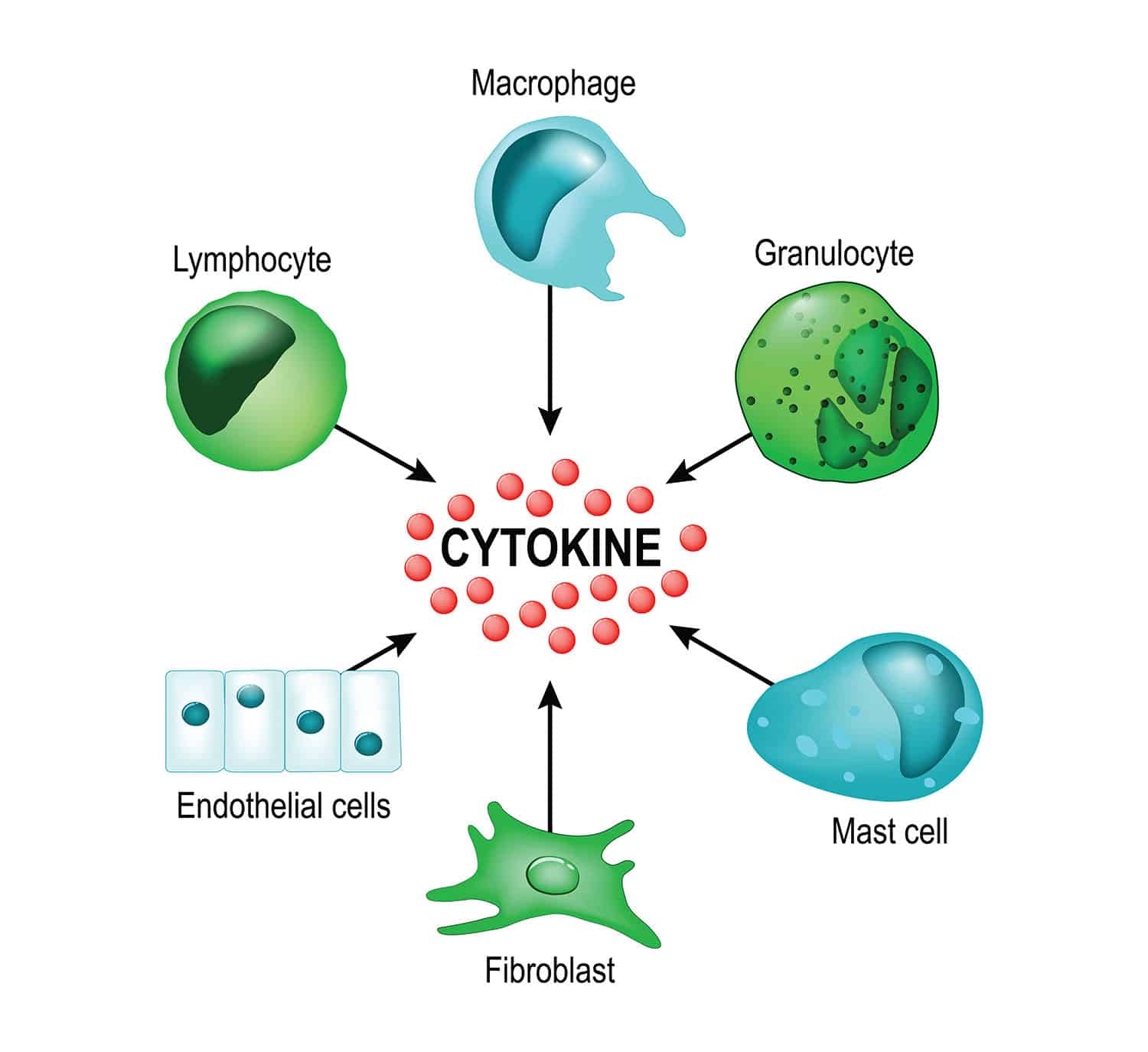
Co-infections and the immune system
In the area of co-infections and immune aspects, microimmunotherapy can be effective and financially affordable. This is an immunomodulatory procedure that uses messenger substances (cytokines, interferons) to give the immune system correct instructions. Microimmunotherapy is not just immune strengthening – it is immune regulation. Read more about this on the pages of the Medical Society for Microimmunotherapy.
Complex disease patterns offer many sources of error. It is already a good step forward when doctor and patient recognize that Lyme disease rarely occurs alone. The result can be a significantly more efficient therapy.
However, one should not expect miracles. A long path into the illness means an equally long path to get out again. But every journey begins with the first step, the understanding of Lyme disease.
In this spirit, the entire Schöfer family wishes you the necessary strength and zest for life!
